 Loading... Please wait...

- Home
- Solaris Blog
- REC Group Solar Panel's Cutting Edge Technology
Products
- Solar Panel Kits
- Solar Products
- Solar Panels
- Inverters
- Batteries
- Racking and Mounting
- Rails
- Flashings
- Splice Kits
- Stopper Sleeves
- Conduit Mounts
- Attachments
- Brace Assembly
- Base Mount
- Brackets
- Bolts
- Clamps
- Caps
- L-Feet
- Washers
- Skirt
- Lugs
- Tilt Legs
- Hooks
- Stand-Offs
- Ballast Bay
- Top of Pole Mount
- Side of Pole Mount
- Flush Mount Kits
- Ground Mount Kits
- Roof Mount Kits
- Hardware Packages
- Wire Management
- Solar Generators
- Inverter Monitoring
- Inverter Accessories
- Battery Accessories
- Charge Controllers
- Tools and Supplies
- View All Products
REC Group Solar Panel's Cutting Edge Technology
Posted by Brandi Casey on 19th May 2017
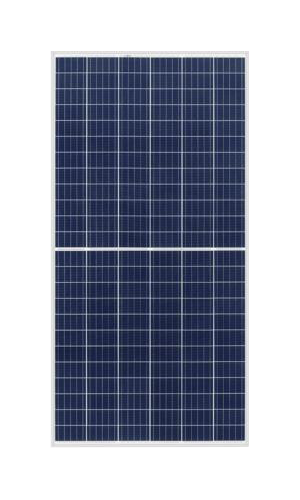
REC Group as joined likeminded manufacturers such as Canadian Solar in introducing ground-breaking new technologies that enhance the efficiency of solar modules during both peak sun hours and in low light conditions. The TwinPeak 2S 72 cell series won the Inter Solar Award in 2015 due their new ‘twin’ design. The European based company’s panels are fairly new to the American solar market, and they should be considered a welcome addition to any residential or commercial solar installation.
What makes the technology so special? REC’s use of PERC, or Passive Emitter Rear Cell technology is one of the key features that improves the capture of light and optimize individual cell performance. Specifically developed for use on a polycrystalline platform, the overall energy production and average efficiency can reach above 18 percent, on par with leading monocrystalline efficiencies seen by much higher cost panels such as those produced by Panasonic Eco Solutions.
The key of this technology is the passivation of the rear side of the cell. In a conventional solar cell, there is an aluminum metallization layer which makes contact across the full area of the back of the cell. REC’s PERC technology first coats the backside of the cell with a special dielectric layer that has tiny holes made by a laser. The technology increases the overall panel performance by increasing the cell’s ability to capture light. The extra energy yield of cells with PERC technology is added to by the improved ability to capture light at longer wavelengths.
One of the more innovative design features that enhances the
TwinPeak Series is its use of smaller calls. The smaller size reduces internal
resistance, which increases output and allows the company to take a new
approach to the layout. They do this by removing one cross connector, a choice
which enables greater inter-cell spacing and an increase in captured light. The
removal of the cross connector is added by a three-part junction box, placed in
the middle of the rear of the module. The purpose of this is to split the cells
into strings of two. This design also ensures that any drop-in irradiation
through shading will not cause the solar panel to completely stop producing
power. To find out more about both of these design features from REC Group,
check out their video below.
The enhanced performance of the panels are a welcome benefit to any solar installation. Not only will installers require fewer panels with the higher efficiency rating, they will further benefit monetarily from not having to source more racking components to complete their system. In addition, the enhanced performance of the modules in grid-tied installations will offset more energy costs from utility companies during shading conditions or hours where the sun is not in an optimal position to power the solar cells. It is further worth noting that the solar panels come at a much lower cost than many competing modules and seem to offer a great deal of benefits and ensure that consumers do not need to compensate on quality to get a high efficiency solar panel.
About Us
Solaris Blog
Pages
Share the Solar
newsletter
 |

|
Contact Us Today. Mon-Fri 7:00am - 4:00pm PST | Toll Free: 1-800-215-5350 | Email: customerservice@solaris-shop.com | Sitemap | Terms and Conditions | Copyright © 2026